linktpa

Soda Ash (Light & Dense)

Reliable Quality. Global Supply.

Soda Ash — Light & Dense

1. Main Product Description

Soda Ash, also known as Sodium Carbonate, Sodium Carbonate Anhydrous, Disodium Carbonate, Calcined Soda or Soda, is an alkaline inorganic compound with the chemical formula Na₂CO₃. It is a major industrial raw material used in glass manufacturing, detergents, chemicals, water treatment, metallurgy and other industrial processes. Both Soda Ash Light and Soda Ash Dense contain the same basic chemical compound; their main differences are physical characteristics, particularly bulk density and particle size.
Source: Soda Solvay®

Soda Ash is supplied primarily in Light and Dense grades. Light Soda Ash is a finer, lower-density material commonly selected for detergent and chemical applications, while Dense Soda Ash has larger particles and higher bulk density and is particularly preferred for glass manufacturing and applications where improved handling and reduced dust are advantageous.

For buyers evaluating the two grades, the choice is therefore generally driven not by a difference in chemical identity, but by bulk density, particle-size characteristics, handling requirements and the intended industrial application.

Source: Solvay — Soda Ash Light
Source: Solvay — Soda Ash Dense

Technical Specifications

CAS No.: 497-19-8
Chemical Formula: Na₂CO₃
Molecular Weight: 105.99 g/mol
HS Code: 2836.20
UN Number: Not Applicable — Not regulated as dangerous goods for transport
Dangerous Goods Classification: Not classified as dangerous goods for transport
Main Forms: Soda Ash Light / Soda Ash Dense
Physical Form: White powder / granular solid

Source : Solvay — Soda Ash Applications
Source:  BASF Sodium Carbonate Dense Grade SDS

Grade-Specific Characteristics

Soda Ash Light:
Typical Bulk Density: Approximately 0.5 t/m³
Typical Particle Size: D50 approximately 100 µm
Typical Applications: Detergents, chemicals, water treatment and chemical processing

Soda Ash Dense:
Typical Bulk Density: Approximately 1.0 t/m³
Typical Particle Size: D50 approximately 300–500 µm
Typical Applications: Glass manufacturing, metallurgy and applications requiring improved handling and reduced dust

These values are typical characteristics rather than universal specifications and should be confirmed against the TDS/COA of the offered grade

Global Export​

Bulk Availability

Bulk Availability

Consistent Quality

Consistent Quality​

High Purity​

Product Description

Reliable Quality. Global Supply.

Production Description

Production Method

Soda Ash can be produced from natural trona deposits and sodium-carbonate-rich brines, or manufactured synthetically. Synthetic production commonly uses the Solvay process, in which sodium chloride, ammonia and carbon dioxide are used to produce sodium bicarbonate, which is then calcined to form sodium carbonate. Natural soda ash is obtained by processing trona or other sodium carbonate-bearing resources.

The final product can be processed into Light or Dense grades according to particle-size and bulk-density requirements. The grade selected therefore depends largely on the intended application and handling characteristics.

Source: U.S. Geological Survey  (Specific page: USGS Soda Ash Statistics & Information)

Food Grade

Sodium Carbonate is recognized as INS 500(i) by Codex Alimentarius and may be used as an acidity regulator, raising agent and anticaking agent in approved food applications. Food-grade material must meet the applicable purity and regulatory requirements of the destination market.

Source: Codex Alimentarius — Food Additives (Specific document: Codex Sodium Carbonate INS 500(i))

Storage & Shelf Life

Soda Ash should be stored in dry, well-ventilated conditions and protected from moisture. Packaging should remain properly sealed during storage and transportation to prevent moisture uptake and contamination. BASF’s SDS specifically recommends protection against moisture.

Shelf life depends on packaging, storage conditions and the supplier’s specification; the applicable product TDS should be used for the confirmed shelf-life period.


Handling, Transportation & Shipment

Transportation & Dangerous Goods

Soda Ash is not classified as a dangerous good under major international transport regulations such as ADR, IMDG and IATA. It has no assigned UN transport number for standard transportation.

Although it is not regulated as a dangerous good for transport, appropriate precautions should still be taken during loading, unloading and handling, particularly to control dust and protect the product from moisture.

Packaging & Shipment

Soda Ash can be supplied in bags, jumbo bags/FIBCs or bulk formats, depending on grade, quantity and destination. Dense grade generally offers handling and transportation advantages because of its higher bulk density and larger particle size.

Buyer Information

For international procurement, buyers should confirm Light or Dense grade, Na₂CO₃ purity, bulk density, particle-size requirements, packaging, quantity, destination and required COA/SDS/TDS documentation before order confirmation.

Need more information about product specifications or sourcing requirements? Feel free to contact our B2B sourcing specialists for assistance.

Product details

Documents & Resources

Request a Quote

Fill in the form below and our team will get back to you with the best offer.

Please enable JavaScript in your browser to complete this form.

Why Choose TPA?

Reliable Multi-Source Supply from Asia & the Middle East

Flexible Packaging & Private Labeling Solutions

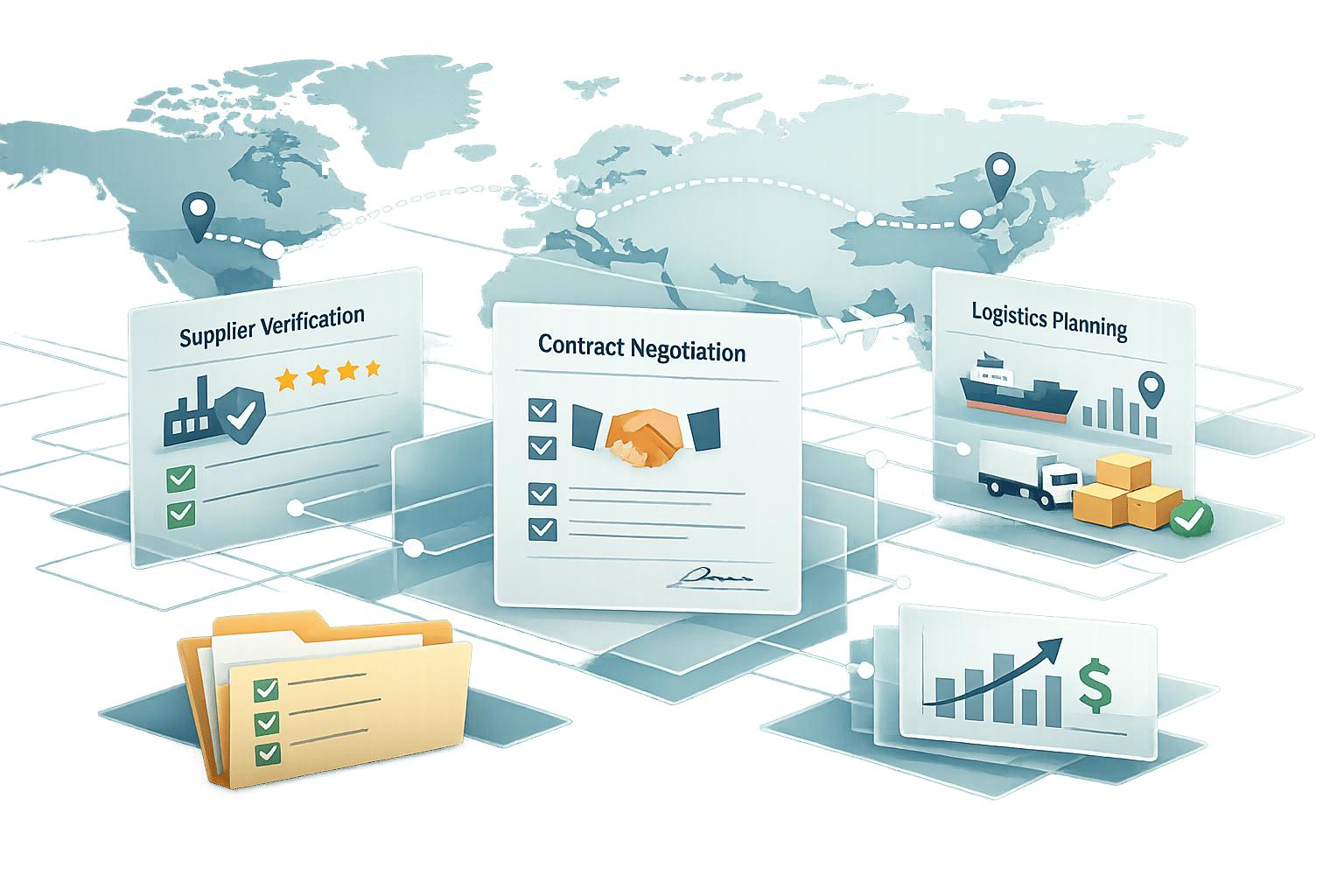
Export Documentation Support

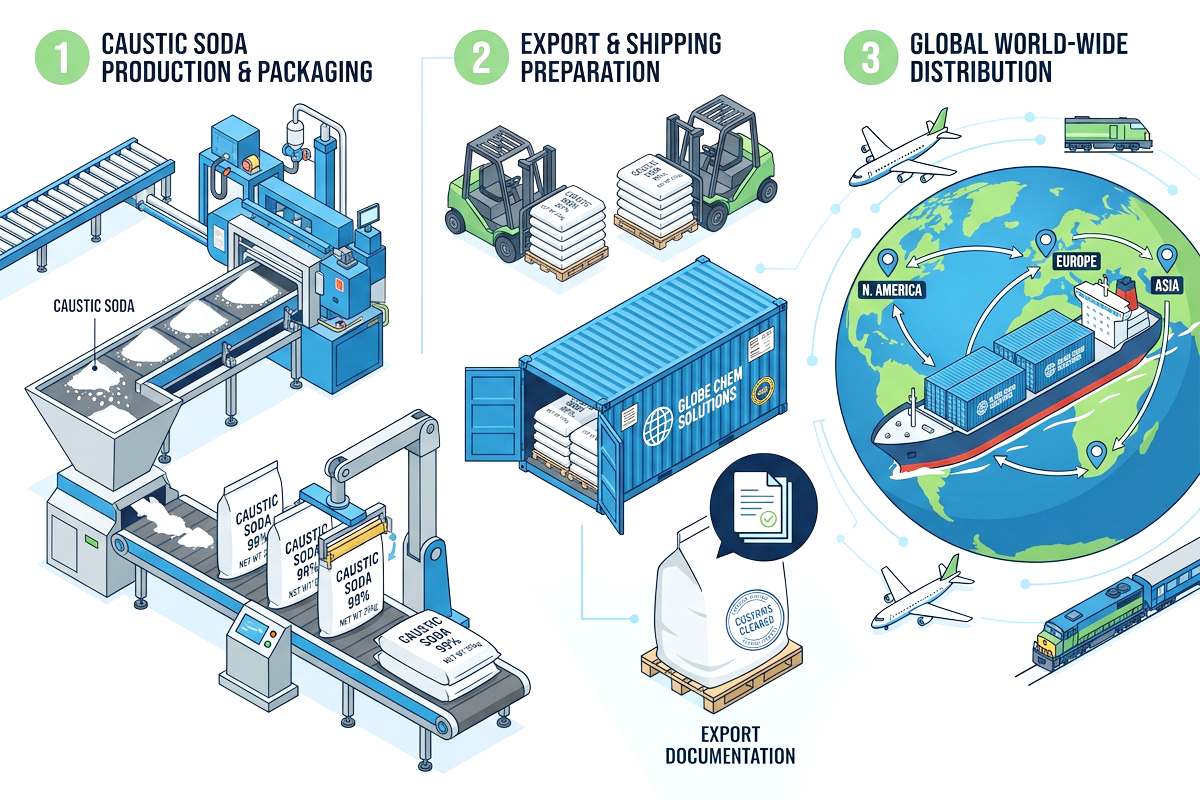
Fast and Reliable Global Shipments

Technical & Commercial Assistance

Partner with TPA for your chemical needs.

Frequently Asked Questions

What is the difference between Soda Ash Light and Soda Ash Dense?

Both grades are Sodium Carbonate (Na₂CO₃), but they differ mainly in bulk density and particle size. Light grade is finer and lower in density, while Dense grade has larger particles and higher bulk density. The appropriate grade depends on the application and handling requirements.

Which Soda Ash grade is commonly used in glass manufacturing?

Soda Ash Dense is generally preferred for glass manufacturing because its larger particle size and higher bulk density provide favorable handling characteristics and help reduce dust and segregation during transportation

Is Soda Ash classified as a dangerous good during international transportation?

No. Sodium Carbonate is generally not regulated as a dangerous good under ADR, IMDG or IATA transport regulations, and no UN transport number is assigned for standard shipments. The applicable SDS should nevertheless be checked for the specific product supplied.

Is Food Grade Soda Ash available?

Yes. Sodium Carbonate is recognized by Codex as INS 500(i) for approved food applications. Food-grade supply must meet the applicable purity, documentation and regulatory requirements of the destination market

Related Products

×