Product Overview
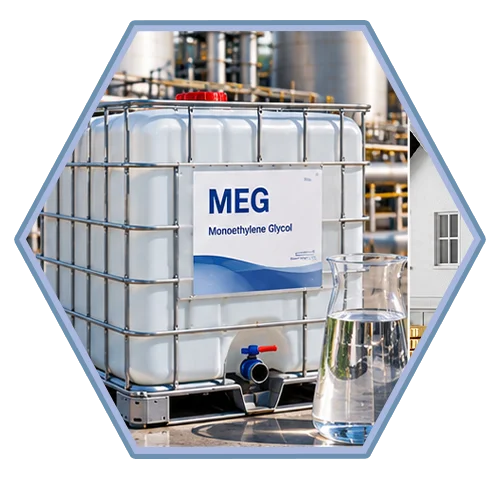
MEG is one of the principal raw materials used in the production of polyethylene terephthalate (PET) and polyester fibers. It is also use in antifreeze and coolant formulations, industrial solvents, heat-transfer fluids and several chemical-processing applications.
For polyester and PET production, purity and control of trace impurities are particularly important. Parameters such as DEG, water, iron, chloride, acidity, aldehydes and color can affect downstream processing and product quality. ASTM provides dedicated analytical methods for several of these parameters, including glycol impurities, aldehydes and chloride.
Quality Considerations for Buyers
When purchasing MEG in bulk, buyers should evaluate more than the headline purity figure. DEG, water, iron, chloride, acidity, aldehydes, ash and color can be important quality parameters, particularly for PET and polyester applications.
ASTM E2409 covers the gas-chromatographic determination of glycol impurities in MEG and related glycols. Other ASTM methods address aldehydes, chloride, acidity and UV transmission. These analytical controls help buyers compare material consistently across different supply sources.
Titan Prime Alliance Inc. can coordinate product and supplier information according to the buyer’s required specification, packaging, quantity and delivery terms. Where required, technical documentation such as COA and SDS should be reviewed before commercial confirmation.
Packaging and Supply
MEG is commonly suppliey as a bulk liquid because of its industrial consumption profile. Depending on the supplier, shipment requirements and order volume, available options may include bulk tanker shipments, ISO tanks or other suitable liquid-chemical logistics.
Packaging and shipment arrangements should be confirmed according to the destination, quantity, loading point and applicable transport requirements.
Indications
MEG consider for industrial procurement where the required application involves:
- PET resin and packaging production
- Polyester fiber and textile manufacturing
- Antifreeze and coolant formulations
- Industrial heat-transfer fluids
- Chemical intermediates
- Industrial solvents and formulations
- Other applications requiring a high-purity ethylene glycol feedstock
The appropriate grade and specification confirm based on the buyer’s actual process and end-use requirements.
Related Products
Depending on the buyer’s application, related glycol and industrial chemical products may include:
- Diethylene Glycol (DEG)
- Ethylene-related chemical intermediates
- Calcium Chloride
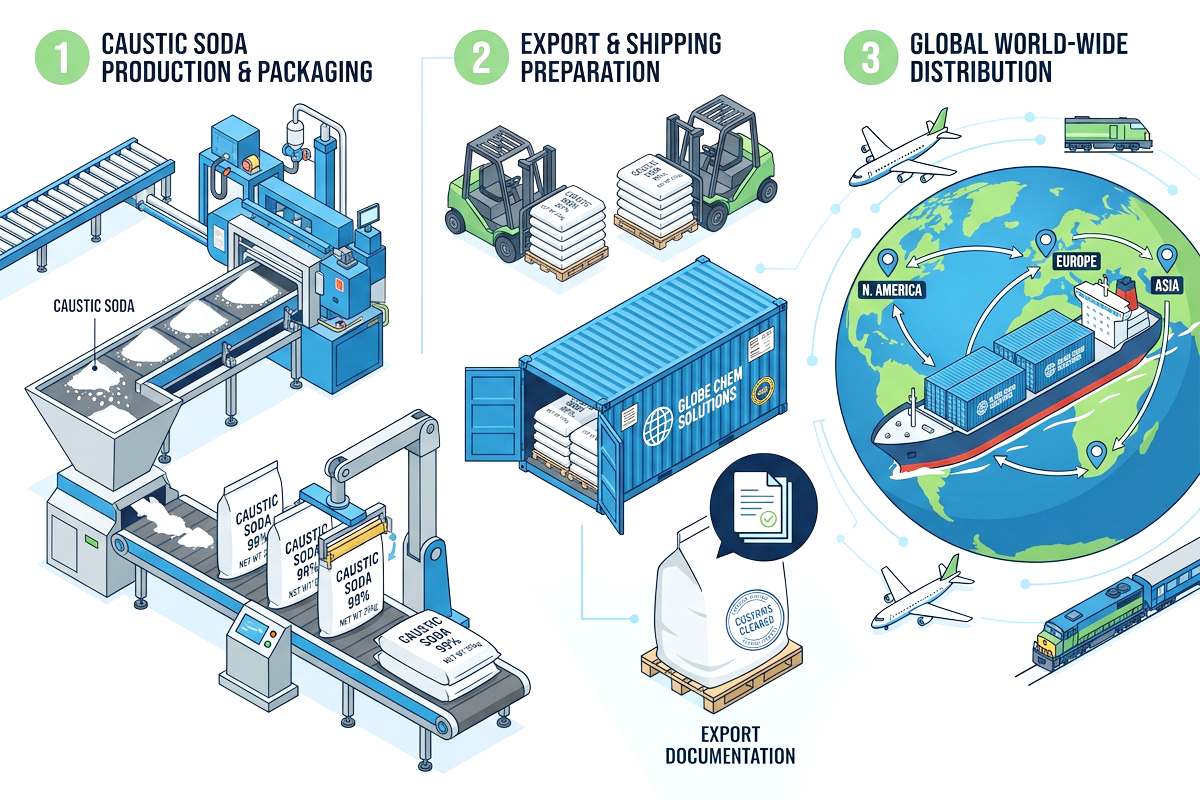
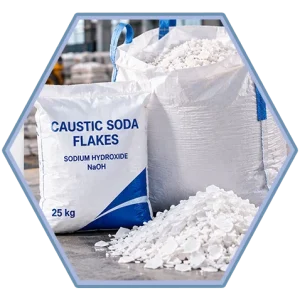
- Caustic Soda Flakes
Related-product links should be added only to active product pages on the website.
Bulk Supply & Commercial Inquiry
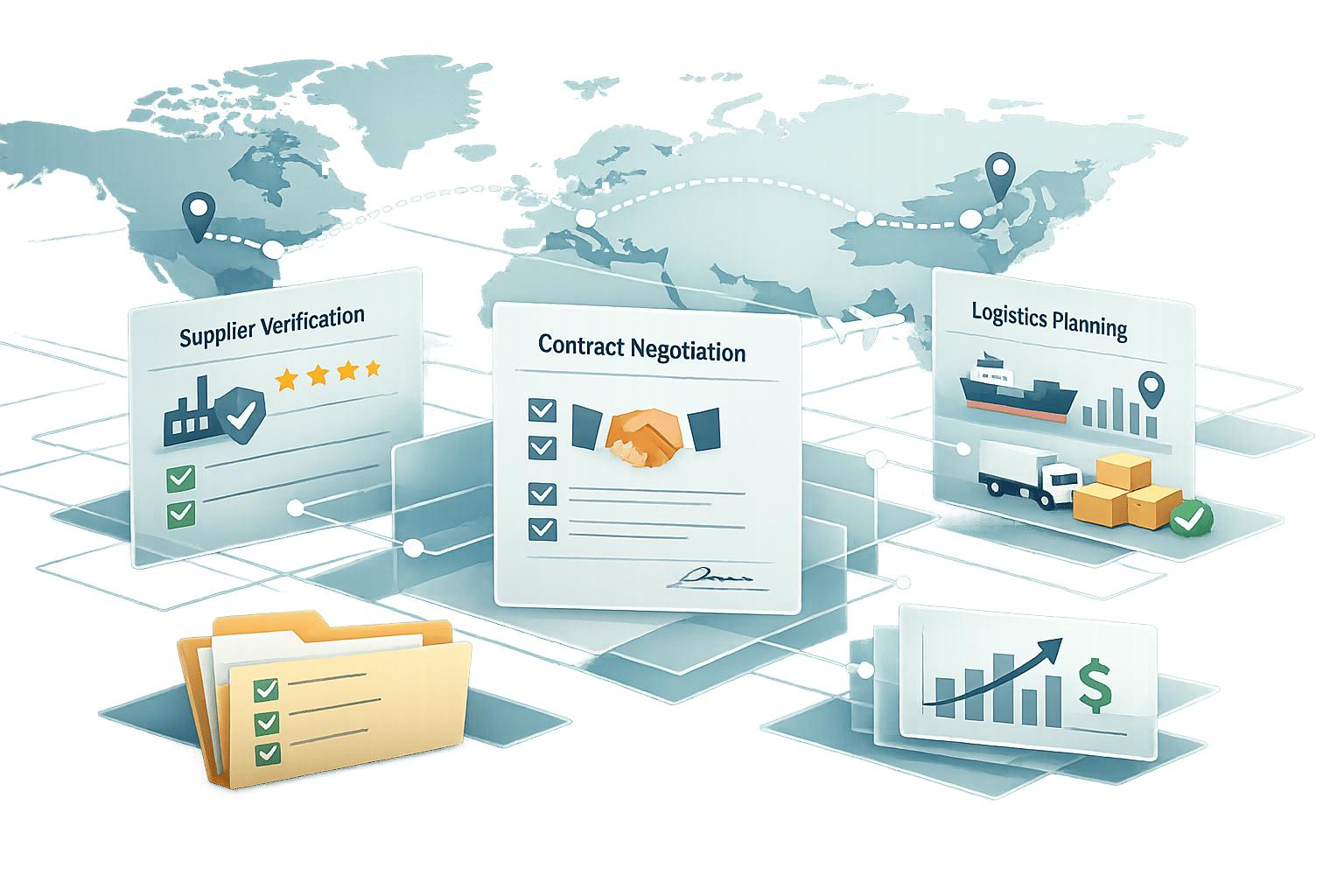
Titan Prime Alliance Inc. supports international buyers with product sourcing, supplier coordination and commercial arrangements for industrial chemicals. For Mono Ethylene Glycol, inquiries can include required purity, application, quantity, packaging, destination and preferred delivery terms.
Contact Titan Prime Alliance Inc. for Mono Ethylene Glycol (MEG) supply and commercial inquiry.
Sources
https://www.petrorabigh.com/en/OurProducts/Monomer/Pages/MonoEthyleneGlycolMEG.aspx
https://www.petronas.com/pcg/sites/default/files/2023-07/Products_Documents_MEG%20Industrial_May23%20SCA.pdf
https://sumitomo-chem.com.sg/files/MEG-20220701.pdf
https://store.astm.org/products-services/standards-and-publications/standards/industrial-chemical-standards.html
https://www.sabic.com/en/products/chemicals/glycols/sabic-monoethylene-glycol