linktpa

Methyl Acetate (85 – 99 %)

Reliable Quality, Global Supply

Methyl Acetate — 85% & 99%

1. Main Product Description

Methyl Acetate, also known as Methyl Ethanoate or Acetic Acid Methyl Ester, is a clear, colorless, highly volatile and flammable ester with the chemical formula C₃H₆O₂. It is primarily used as a fast-evaporating solvent in coatings, inks, adhesives, resins and other chemical formulations. Its relatively low boiling point and strong solvency make it suitable for applications where rapid evaporation is required.
Source: PubChem — Methyl Acetate (https://pubchem.ncbi.nlm.nih.gov/compound/Methyl-Acetate)

Methyl Acetate is offered in different purity levels according to application requirements. 85% and 99% grades are supplied as the same chemical product but with different purity and impurity profiles. The 99% grade is generally selected where tighter control of purity is required, while the 85% grade can be suitable for applications where a lower-purity specification is acceptable.

For buyers, grade selection should be based on the intended application and the complete specification, including purity, water content and other relevant impurities, rather than purity percentage alone.

Technical Specifications

CAS No.: 79-20-9
Chemical Formula: C₃H₆O₂ / CH₃COOCH₃
Molecular Weight: 74.08 g/mol
Physical Form: Clear, Colorless Liquid
HS Code: 2915.39
UN Number: UN 1231
Dangerous Goods Class: Class 3 – Flammable Liquid
Packing Group: II
Available Purities: 85% / 99%

Source: ECHA — Methyl Acetate (https://echa.europa.eu/substance-information/-/substanceinfo/100.001.078)
Source: Tokyo Chemical Industry — Methyl Acetate (https://www.tcichemicals.com/TW/en/p/S0300

Global Export​

Bulk Availability

Bulk Availability

Consistent Quality

Consistent Quality​

High Purity​

Product Description

. Production Description

Production Method

Methyl Acetate is commonly produced through the esterification of methanol and acetic acid, followed by separation and purification. The production and purification process can be adjusted to achieve the required commercial purity. Methyl Acetate may also occur as a by-product in certain industrial chemical processes.
Source: U.S. EPA (https://www.epa.gov/sites/default/files/2015-03/documents/subpartx-tsd-petrochem.pdf)

Purity Grades

Methyl Acetate 85%: Suitable for applications where the process specification permits a lower-purity solvent and the associated impurity profile is acceptable.

Methyl Acetate 99%: Higher-purity grade intended for applications requiring tighter control of solvent purity and impurities. Commercial high-purity specifications commonly include additional parameters such as water content and density.
Source: Merck  (https://www.merckmillipore.com/INTL/en/product/Methyl-acetate,MDA_CHEM-809711)

Storage & Shelf Life

Methyl Acetate should be stored in tightly closed containers in a cool, well-ventilated area, away from heat, sparks, open flames and other ignition sources. Containers and handling equipment should be appropriately grounded where required. Because the product is highly volatile and flammable, storage and handling should follow the applicable SDS requirements.

Shelf life depends on packaging, storage conditions and product specification and should be confirmed against the supplier’s TDS or SDS.

Source: Merck (https://www.merckmillipore.com/INTL/en/product/Methyl-acetate,MDA_CHEM-809711)


Handling, Transportation & Shipment

Transportation & Dangerous Goods

Methyl Acetate is classified as a flammable liquid: UN 1231, Class 3, Packing Group II for transportation. Appropriate dangerous-goods packaging, labeling and documentation are therefore required for international shipment.
Source: ECHA — Dangerous Goods Information (https://www.echa.europa.eu/et/web/guest/adn-dangerous-goods-lists-dir-2008-68)

Packaging & Shipment

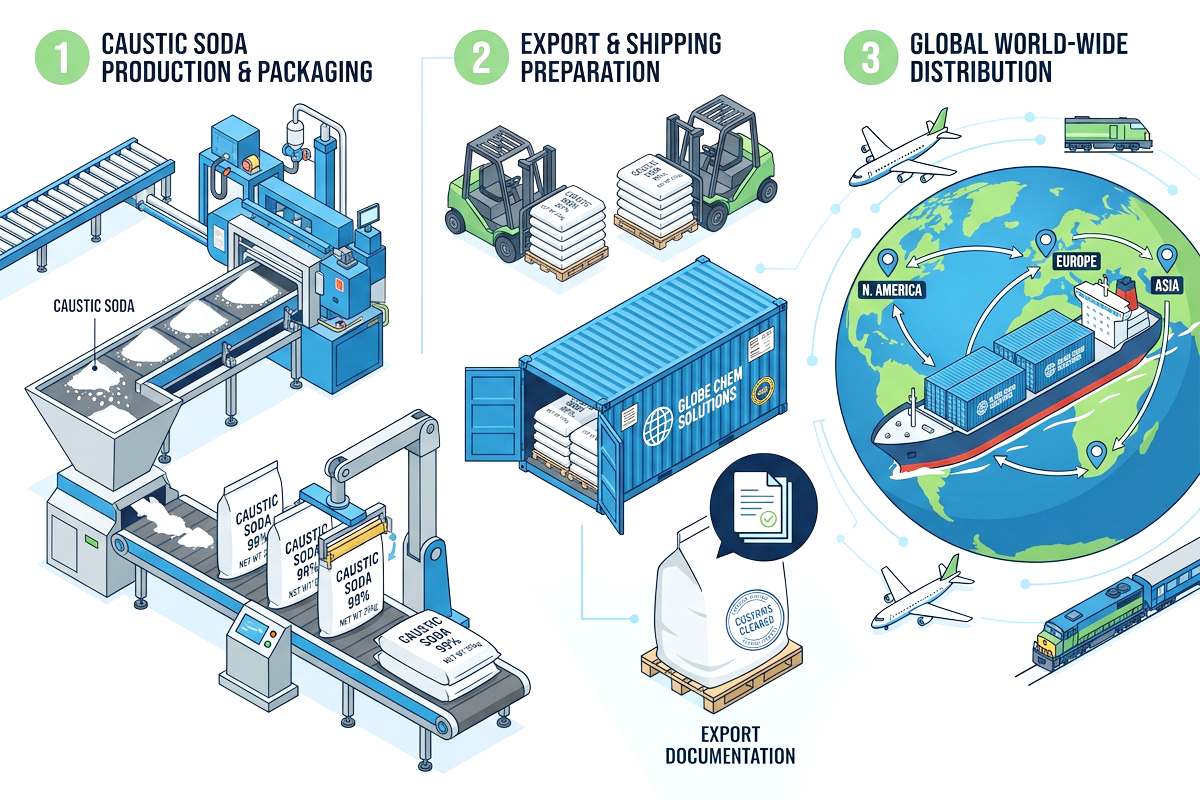
Methyl Acetate should be shipped in approved packaging suitable for Class 3 flammable liquids. Packaging format and shipment configuration depend on quantity, destination, transport mode and applicable dangerous-goods requirements.

Buyer Information

For international procurement, buyers should confirm purity, water content, impurity limits, packaging, quantity, destination and required SDS/TDS and dangerous-goods documentation before order confirmation.

Need more information about product specifications or sourcing requirements? Feel free to contact our B2B sourcing specialists for assistance.


Technical References

Product information has been reviewed using ECHA regulatory data, manufacturer and laboratory technical documentation, PubChem and relevant transportation and safety sources. Final product specifications should always be confirmed against the applicable supplier TDS and COA.

Product details

Documents & Resources

Request a Quote

Fill in the form below and our team will get back to you with the best offer.

Please enable JavaScript in your browser to complete this form.

Why Choose TPA?

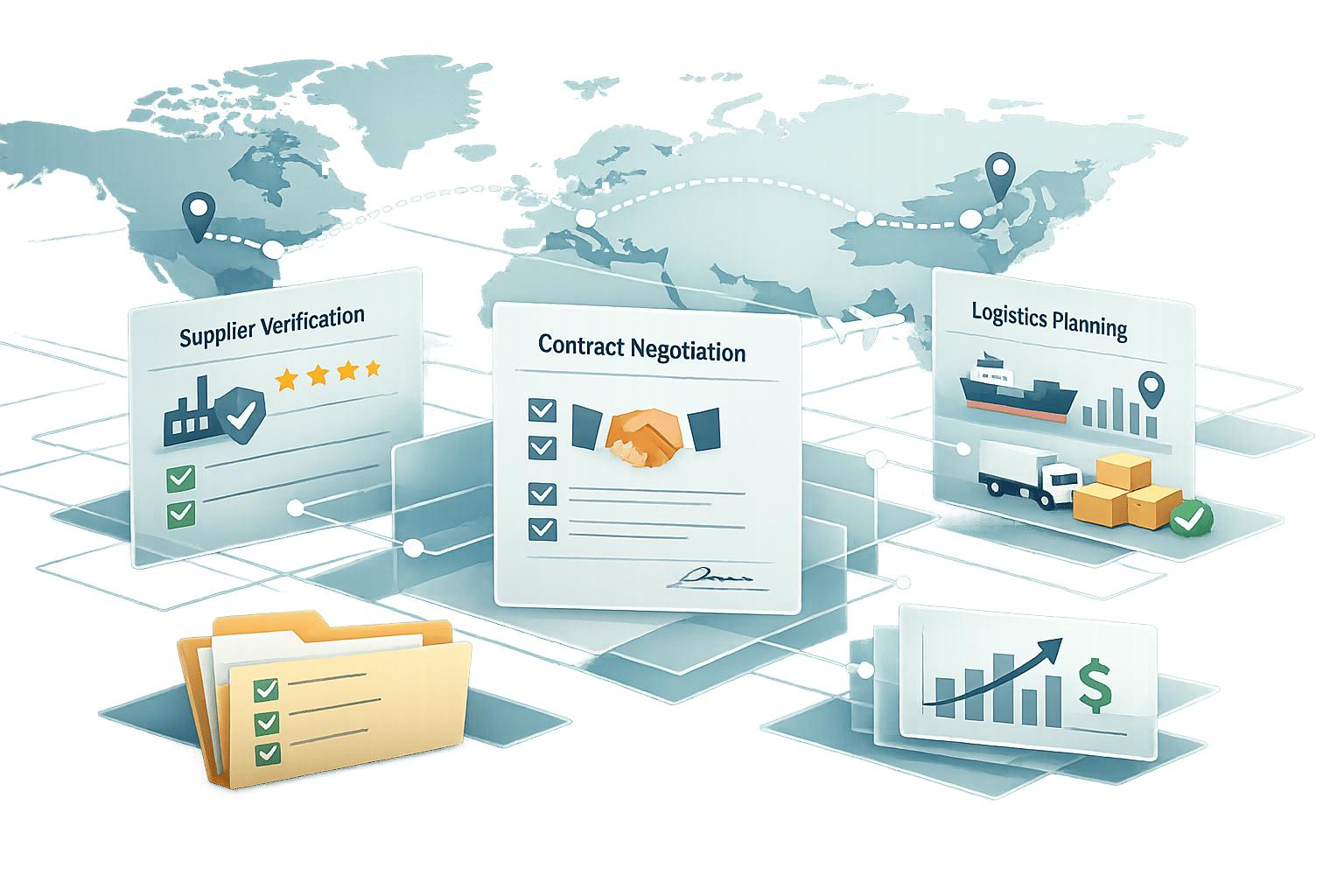
Reliable Multi-Source Supply from Asia & the Middle East

Flexible Packaging & Private Labeling Solutions

Export Documentation Support

Fast and Reliable Global Shipments

Technical & Commercial Assistance

Partner with TPA for your chemical needs.

Frequently Asked Questions

What is the difference between Methyl Acetate 85% and 99% ?

Both are Methyl Acetate products, but they differ in purity and impurity profile. The 99% grade is intended for applications requiring tighter purity control, while 85% can be used where a lower-purity specification is acceptable

Which Methyl Acetate grade is suitable for solvent applications?

The appropriate grade depends on the formulation and required specification. 99% Methyl Acetate is generally more suitable where purity and impurity control are important, while 85% may be appropriate for less demanding industrial applications

Is Methyl Acetate a dangerous good for international transportation?

Yes. Methyl Acetate is classified as UN 1231, Class 3 – Flammable Liquid, Packing Group II and requires appropriate dangerous-goods handling, packaging and documentation during transportation.

What information should buyers confirm before purchasing Methyl Acetate ?

Buyers should confirm the required purity, water content, impurity limits, packaging, quantity, destination and applicable SDS/TDS documentation. The specification should be matched to the intended application before order confirmation

Related Products

×