Key Properties
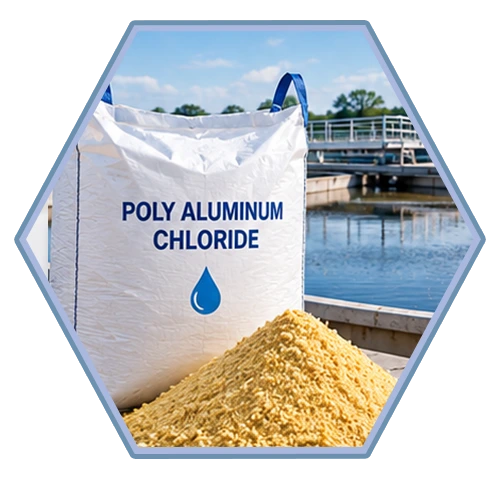
Commercial PAC grades vary by formulation and application. Typical specifications may include Al₂O₃ content, basicity, pH, density, appearance, and water-insoluble matter. Powder grades commonly contain around 28–30% Al₂O₃, while liquid grades are also available at different concentrations. Final specifications should always follow the supplier’s Certificate of Analysis (CoA).
PAC is supplied as a yellow to pale-yellow powder or as a clear to yellowish liquid. The exact appearance and analytical values depend on the grade and production process. Buyers should therefore confirm the required specification before placing an order.Source: https://www.takichem.co.jp/eng/products/water/pac.html
Applications
PAC is widely used for drinking water treatment, municipal wastewater treatment, industrial wastewater treatment, and industrial water clarification. It supports the removal of turbidity, suspended solids, and other impurities through coagulation and flocculation.
Industrial applications can also include water treatment processes in sectors such as paper manufacturing, textiles, and other industries that require clarification or wastewater treatment. The appropriate PAC grade depends on the characteristics of the water and the treatment process. Source: https://www.toshin-chemical.co.jp/en/products/polyaluminium-chloride/
Available Forms and Grades
PAC is available in powder and liquid forms. Powder products commonly use approximately 28–30% Al₂O₃ specifications, while liquid products may be supplied in different Al₂O₃ concentrations. Basicity also varies between grades and can influence coagulation performance and process requirements.
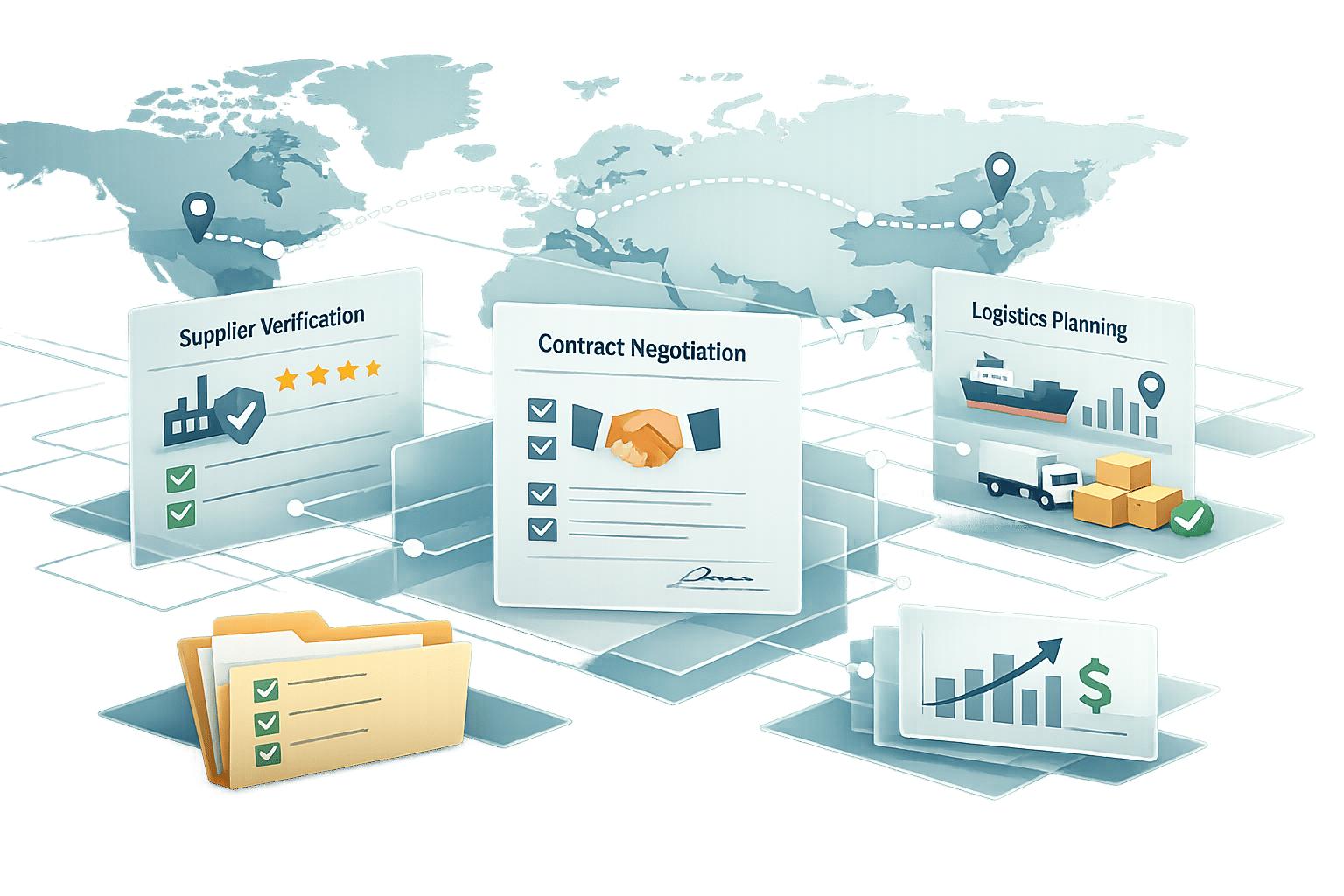
For international procurement, buyers should confirm the form, Al₂O₃ content, basicity, pH, insoluble matter, packaging, and applicable standard before shipment. Titan Prime Alliance Inc. can coordinate product specifications and commercial requirements with qualified supply sources. Source: https://www.wateringredients.com/products/pac
Packaging and Storage
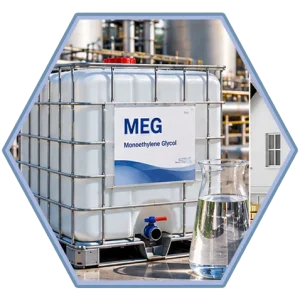
Powder PAC is commonly packed in moisture-resistant bags, including 25 kg packaging. Liquid PAC can be supplied in suitable containers such as IBC tanks or bulk transport systems, depending on the grade and shipment requirements.
PAC should be protected from moisture, excessive heat, and unsuitable storage conditions. Packaging and storage requirements should follow the manufacturer’s SDS and product-specific instructions. Buyers should also review the CoA and SDS before shipment and handling. Source: https://eurokimia.com/wp-content/uploads/2023/08/14-PDS-PAC-Poly-Aluminum-Chloride.pdf
Technical Resources
For procurement and technical evaluation, buyers may require a Technical Data Sheet (TDS), Safety Data Sheet (SDS), Certificate of Analysis (CoA), specification sheet, and applicable compliance documents. These documents help confirm whether the proposed PAC grade matches the treatment process and destination requirements.
Titan Prime Alliance Inc. supports buyers by coordinating product specifications, supplier documentation, packaging requirements, and commercial supply discussions.
Source: https://www.polyaluminumchloride.com/resources/
Related Products
For complementary water-treatment chemicals, explore relevant Titan Prime Alliance Inc. product categories and technical resources on LinkTPA. Product selection should reflect the treatment process, water characteristics, and destination requirements. Source: https://linktpa.ca/
Commercial Supply
Titan Prime Alliance Inc. supports international buyers with Poly Aluminum Chloride sourcing, supplier coordination, specification review, documentation, and export arrangements. Contact our commercial team to discuss your required PAC grade, form, packaging, quantity, and destination market.
Request Poly Aluminum Chloride Supply Information