What Is Slow Release Urea?
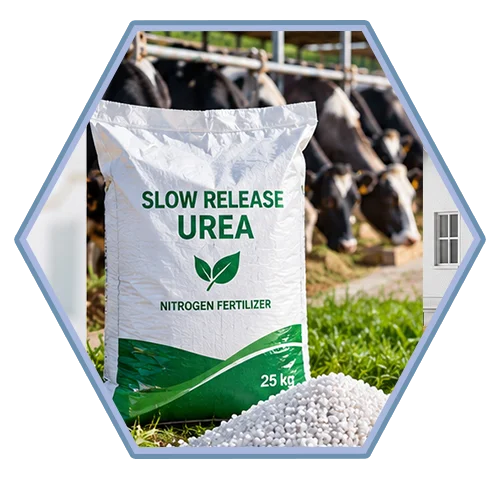
Slow Release Urea is a modified urea fertilizer that releases nitrogen at a slower rate than conventional soluble urea.
The term covers several technologies. These include sulfur-coated urea, polymer-coated urea, and water-insoluble or slowly available nitrogen products such as urea-formaldehyde and methylene urea.
Polymer-coated urea is a common controlled-release technology. Water enters the coating and dissolves the urea inside the granule. The dissolved nitrogen solution then moves gradually through the coating into the surrounding soil. Coating thickness and formulation influence the release rate.
This technology differs from stabilized urea. Stabilized fertilizers use additives such as urease or nitrification inhibitors to slow specific nitrogen transformation processes. Slow-release and controlled-release products instead modify the availability of the fertilizer itself.
Source:
https://www.fao.org/agriculture/crops/thematic-sitemap/theme/spi/plantnutrition/fertspecs/en/
Source:
https://extension.psu.edu/turfgrass-fertilization-a-basic-guide-for-professional-turfgrass-managers
Key Characteristics
- Gradual nitrogen release compared with conventional soluble urea
- Available in coated and non-coated slow-release technologies
- Polymer-coated and sulfur-coated grades are among the established technologies
- Different coating systems provide different release periods
- Nitrogen content varies according to the formulation and coating percentage
- Granular formats are commonly used
- Suitable specifications depend on crop, application method, climate, and buyer requirements
- Product performance should be evaluated using the manufacturer’s release profile and technical data
The nitrogen content of conventional urea is normally around 46%, while coated products can have lower nitrogen concentrations because the coating contributes to the total product weight. For example, commercial polymer-coated products listed by Penn State Extension include grades around 43–44% nitrogen.
Source:
https://extension.psu.edu/turfgrass-fertilization-a-basic-guide-for-professional-turfgrass-managers
Applications
Slow Release Urea can be considered for agricultural and horticultural applications where a more gradual nitrogen supply is required.
Typical application areas include:
- Field crop fertilization
- Horticultural production
- Turf and landscape management
- Plantation and specialty crop production
- Controlled-release fertilizer programs
- Crop nutrition programs requiring extended nitrogen availability
- Fertilizer blends and customized nutrient programs
The appropriate product should be selected according to the crop, soil conditions, application method, climatic conditions, and required nitrogen release period.
Slow-release technology does not eliminate the need for appropriate fertilizer management. Application timing and placement remain important factors in achieving effective nitrogen utilization.
Source:
https://extension.umn.edu/agriculture/crop-production/nutrient-management-for-minnesota-crops/fertilizer-urea
Slow Release Urea vs. Conventional Urea
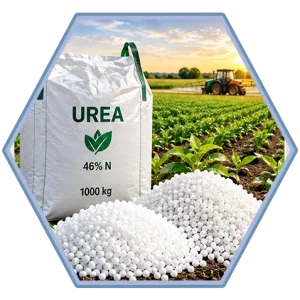
Conventional urea is a highly concentrated nitrogen fertilizer with approximately 46% nitrogen. It dissolves readily and provides a rapidly available nitrogen source.
Slow Release Urea modifies the rate at which nitrogen becomes available. In polymer-coated products, the coating controls the movement of water into the granule and the diffusion of dissolved nitrogen out of it. Thicker or differently formulated coatings can produce different release characteristics.
This distinction is important for international buyers. A buyer should not evaluate Slow Release Urea only by its nitrogen percentage. Coating technology, release period, release-temperature profile, particle size, coating integrity, and product consistency can be equally important commercial specifications.
Packaging & Supply
Slow Release Urea can be supplied in different packaging formats according to the producer’s standard packing and the buyer’s requirements.
Common commercial options may include:
- 25 kg bags
- 50 kg bags
- 500 kg jumbo bags
- 1,000 kg jumbo bags
- Customized private-label packaging, subject to supplier capability
Final packaging, loading configuration, labeling, and shipment terms should be confirmed during the commercial inquiry.
International Sourcing
For international buyers, Slow Release Urea requires more technical evaluation than conventional commodity urea.
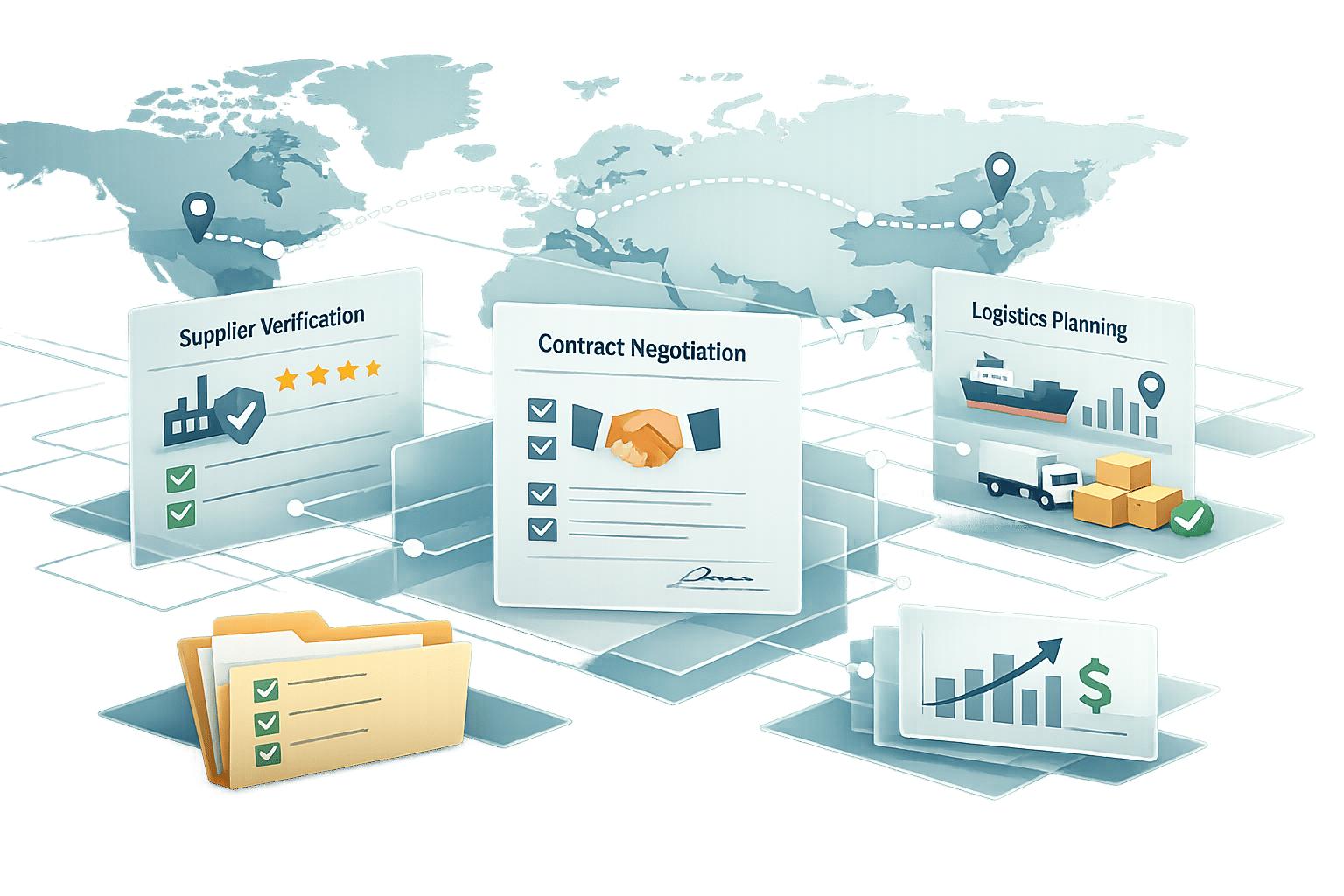
Titan Prime Alliance Inc. can coordinate product sourcing based on the required nitrogen content, release technology, release period, granule characteristics, packaging, origin, and destination requirements.
For each inquiry, the supplier’s technical documentation should be reviewed before commercial terms are finalized. This approach helps buyers distinguish between conventional urea, slow-release urea, controlled-release urea, and stabilized nitrogen products.
Technical Resources
For fertilizer specifications and nitrogen management information, buyers can consult the following technical resources:
FAO – Fertilizer Specifications
https://www.fao.org/agriculture/crops/thematic-sitemap/theme/spi/plantnutrition/fertspecs/en/
FAO – Fertilizer and Plant Nutrition Resources
https://www.fao.org/plant-production-protection/fertilizer/en/
Penn State Extension – Turfgrass Fertilization
https://extension.psu.edu/turfgrass-fertilization-a-basic-guide-for-professional-turfgrass-managers
University of Minnesota Extension – Fertilizer Urea
https://extension.umn.edu/agriculture/crop-production/nutrient-management-for-minnesota-crops/fertilizer-urea
Related Products
Urea 46%
Conventional high-nitrogen urea fertilizer for agricultural applications.
Global Supply & Commercial Services
Titan Prime Alliance Inc. supports international buyers with product sourcing, supplier coordination, technical document review, and commercial communication for selected fertilizers and industrial materials.
For Slow Release Urea, we can assist with identifying suitable supply options based on product technology, nitrogen specification, release profile, packaging, origin, quantity, and destination requirements.
Send us your required specification and target quantity to explore suitable supply options.