
Reliable Quality. Global Supply
Aluminum Chlorohydrate (ACH)
 Aluminum Chlorohydrate (ACH) is a high-basicity, pre-hydrolyzed aluminum-based coagulant used primarily in drinking water, municipal wastewater and industrial water treatment. Its high aluminum concentration and relatively high basicity make it an efficient option for coagulation and flocculation, particularly where stable performance and controlled impact on water alkalinity are important. ACH is commercially available in both liquid and powder forms and can be supplied in different grades according to the intended application. Source: Health Canada – Guidelines for Canadian Drinking Water Quality: Aluminum
 Technical Specifications
Liquid Aluminum Chlorohydrate – Water Treatment Grade
- Product Name: Aluminum Chlorohydrate (ACH)
- CAS No.: 12042-91-0
- Appearance: Clear to slightly hazy liquid
- Al₂O₃: ≥23.0%
- Basicity: ≥81%
- Chloride (Cl): ≤8.5–9.0%
- Al:Cl Atomic Ratio: Approximately 1.90:1–2.10:1
- Specific Gravity at 20°C: 1.33–1.35 g/mL
- Water Insoluble Matter: ≤0.1%
- pH (15% aqueous solution): typically around 3.5–5.0
- Sulfate (SO₄²⁻): typically ≤250 ppm
- Iron (Fe): typically ≤100 ppm
These values represent a typical commercial range for liquid water-treatment-grade ACH. Final specifications should be confirmed against the manufacturer’s current TDS and the batch-specific Certificate of Analysis (COA), particularly for regulated drinking-water applications. Source: Hoochemtec – Aluminum Chlorohydrate Water Treatment Grade




 Key Benefits
- High concentration of active aluminum
- High basicity and pre-hydrolyzed structure
- Effective coagulation and floc formation
- Suitable for a broad range of water treatment conditions
- Lower impact on alkalinity compared with less basic aluminum coagulants
- Can support reduced chemical sludge generation when properly optimized
- Suitable for automated dosing and continuous water treatment systems
- Available in liquid and powder forms for different logistics and application requirements
The high aluminum concentration of commercial ACH solutions can allow efficient dosing while reducing the volume of chemical required compared with lower-concentration aluminum coagulants. Its pre-hydrolyzed nature also helps provide consistent coagulation performance across changing water conditions, although the optimum dose and pH should always be established through jar testing or plant-specific trials.
Source: Alumichem – Aluminum Chlorohydrate (AluACH)
 Product Forms: Liquid and Powder
Aluminum Chlorohydrate is available commercially as both a liquid solution and a white powder. Liquid ACH is supplied as a ready-to-use concentrated solution, offering convenient pumping, dosing and rapid mixing in water-treatment systems. Powder ACH contains a significantly higher concentration of Al₂O₃, typically around 46–48%, and must be dissolved or prepared before application. The powder form can be advantageous where higher concentration, storage flexibility or long-distance transportation is important, while liquid ACH is generally preferred for direct dosing systems.
Source: Hoochemtec – Aluminum Chlorohydrate Technical Specifications
 Technical Characteristics
ACH is a pre-hydrolyzed aluminum coagulant, meaning part of the hydrolysis chemistry is already incorporated into the product before it is introduced into the treatment process. Its relatively high basicity reduces the amount of alkalinity consumed during coagulation compared with less-basic aluminum salts, although actual performance remains dependent on source-water chemistry, pH, alkalinity, temperature and dosage. Source: Health Canada – Aluminum Technical Document
ACH is also characterized by a high concentration of aluminum in commercial solution form. Commercial liquid products are commonly offered around 23% Al₂O₃, while solid grades can contain approximately 46–48% Al₂O₃. This difference is important when comparing transportation, storage and dosing requirements between liquid and powder products. Source: Aluminum Chlorohydrate Commercial Product Data
ACH vs. PAC
Although ACH and Polyaluminum Chloride (PAC) are both aluminum-based coagulants, they should not be treated as identical products. ACH generally has a higher degree of basicity and a higher Al₂O₃ concentration in commercial liquid form than conventional PAC solutions. The appropriate choice depends on raw-water characteristics, treatment objectives, dosing system, required residual limits and overall operating economics. Source: Alumichem – Aluminum Chlorohydrate Product Information
 Packaging
Liquid Aluminum Chlorohydrate can typically be supplied in:
- HDPE drums
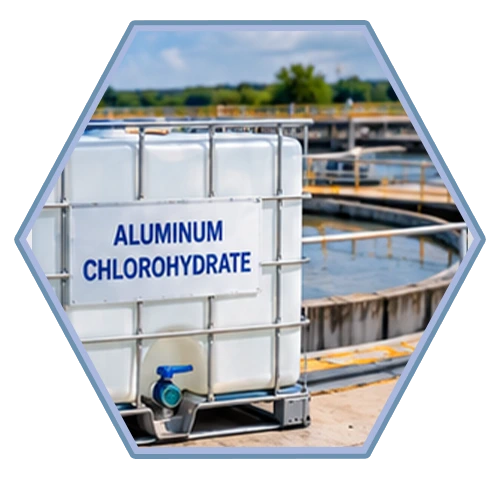
- IBC containers
- Flexible tanks / bulk delivery, depending on order volume and supplier capability
Common commercial packaging includes approximately 200–275 kg drums and 1,000–1,350 kg IBCs, while bulk transportation may be available for larger-volume requirements. Final packaging should be selected according to destination regulations, transportation method and project volume.
Source: Oyi Polymer – Aluminum Chlorohydrate Product Data
 Storage & Handling
Liquid ACH should be stored in clean, compatible chemical-storage containers, protected from contamination, excessive heat and unsuitable materials. Storage conditions should follow the supplier’s SDS and TDS, as recommended temperature ranges and material compatibility can vary by formulation. Containers should remain properly closed when not in use, and the product should be handled using appropriate chemical-safety procedures.
For water-treatment applications, dosing conditions should be established based on actual water quality rather than relying on a fixed universal dosage. Jar testing and process monitoring are recommended to determine the appropriate coagulant dose and pH and to minimize residual aluminum in treated water.
Source: Health Canada – Aluminum in Drinking Water Treatment
 Quality & Documentation
Depending on the destination market and application, the following documentation can be provided or requested:
- Technical Data Sheet (TDS)
- Safety Data Sheet (SDS)
- Certificate of Analysis (COA)
- Product specification
- Batch information
- Origin documentation
- Applicable regulatory or compliance documentation
For drinking-water applications, the required certifications and compliance documentation should be confirmed according to the regulations of the destination country and the requirements of the end user.
Why Source with TPA | Canada?
For Aluminum Chlorohydrate requirements, TPA | Canada can support buyers with supplier sourcing, product-grade verification, technical documentation and export coordination. Specifications can be matched to the intended application, required Al₂O₃ concentration, basicity, packaging and destination-market requirements.
For current availability, technical documentation, COA requirements or a commercial quotation , contact our team to discuss your ACH requirement